
We run our website the way we wished the whole internet worked: we provide high quality original content with no ads. We are funded solely by your direct support. Please consider supporting this project.

Transported
What did Jesus do on the cross that we couldn’t do for ourselves?
Jesus stood in our place. God stepped in to bear the consequences of our sin. And in doing so, Christ defeated the powers, in principle, ending the cosmic war. If we will yield to God, he transports us from the kingdom of darkness into the kingdom of his beloved Son.
On this day after Easter, live into the truth that you have been transported.
For more videos like this one, visit The Work of the People.
Category: Sermons and Video Clips
Tags: Atonement, Cross, The Work of the People
Topics: Atonement and The Cross
Related Reading
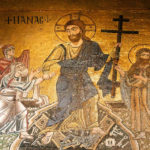
How the Anabaptists Emphasized the Cross
Because the Anabaptists have generally emphasized faith that is evidenced by works and thus on Jesus’ life as an example to be followed, it may prima facia appear that the saving work of the cross was less central to the early Anabaptists than it was to the Reformers and to Evangelicals. In reality, I would argue,…
Podcast: Defending the Manifesto (7 of 10)
Greg responds to challenges by William Lane Craig from Craig’s podcast “Reasonable Faith.“ Greg discusses atonement and the shortcomings of penal substitution theology. http://traffic.libsyn.com/askgregboyd/Episode_0062.mp3

Penal Substitution View of Atonement: Did God the Father Just Need to Vent?
In this video blog, Greg outlines the penal substitution view of atonement which says that the Father poured out his wrath on Jesus instead of us so that we could be forgiven. This view is very common and you might even be nodding your head in agreement with that description. However, this view creates some…

Dancing with the Triune God
What does it mean to live in the presence of God now? How do we do this? What does it mean to be in the presence of God for eternity? In this video produced by The Work of the People, Greg Boyd shares what it means to for us to be in God’s presence and allow…
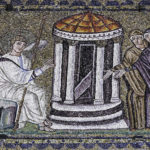
What the Resurrection Says About the Cross
As with every other aspect of Jesus’ life and ministry, even the resurrection must be understood in light of the cross. This event was not just the resuscitation of a random corpse. It was the resurrection of the Incarnate Son of God who had fulfilled the human side of the God-human covenant by living a sinless…

Aslan Roars: The Atonement as Spiritual Warfare
Greg begins to unpack the Christus Victor view of the atonement by comparing it to the Chronicles of Narnia.