
We run our website the way we wished the whole internet worked: we provide high quality original content with no ads. We are funded solely by your direct support. Please consider supporting this project.
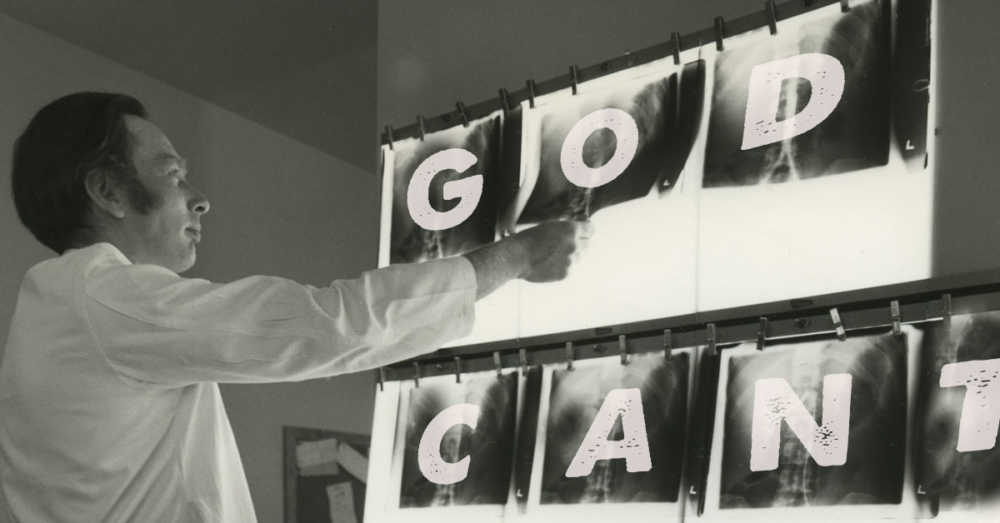
Why Can’t God? Reflections on the Oord Interview (podcast)
Greg reflects on his interview with Thomas Jay Oord.
Episode 503
Send Questions To:
Dan: @thatdankent
Email: askgregboyd@gmail.com
Twitter: @reKnewOrg
Greg’s new book: Inspired Imperfection
Dan’s new book: Confident Humility
Subscribe:



Category: ReKnew Podcast
Tags: Open Future, Open Theism, Process Theology, Thomas Oord, Tom Oord
Related Reading
What is the significance of 2 Kings 20:1–7?
The Lord tells Hezekiah “[Y]ou shall die: you shall not recover” (vs. 1). Hezekiah pleads with God and God says, “I will add fifteen years to your life” (vs. 6). If everything about the future was exhaustively settled and known by God as such, his prophecy to Hezekiah that he was going to die would…
How do you respond to 1 Kings 13:2–3?
The Lord proclaims against the pagan alter of Jeroboam, “O altar, altar, thus says the Lord: ‘A son shall be born to the house of David, Josiah by name; and he shall sacrifice on you the priests of the high places who offer incense on you, and human bones shall be burned on you.’ He…
How do you respond to 2 Thessalonians 2:3–4?
“Let no one deceive you in any way; for that day will not come unless the rebellion comes first and the lawless one exalts himself above every so-called god or object of worship, so that he takes his seat in the temple of God, declaring himself to be God.” As with most passages in the…
What is the significance of Deuteronomy 30:19?
After establishing the terms of the covenant he was entering into with Israel, the Lord says, “I call heaven and earth to witness against you today that I have set before you life and death, blessings and curses. Choose life so that you and your descendants may live.” This passage represents the most fundamental motif…

Isn’t the World Unsafe If God Doesn’t Control Everything?
If God isn’t in control of everything, the world feels unsafe. If the future is open and if things can happen outside of God’s will, what guarantee is there that there is a point to a person’s suffering? Maybe it’s all just bad luck. My experience has been that many of those who honestly examine…
Free Will: An Aesthetic Model
Greg continues his thoughts on free will by offering an aesthetic model for free will. This one gets pretty philosophical, but it’s worth toughing it out.