
We run our website the way we wished the whole internet worked: we provide high quality original content with no ads. We are funded solely by your direct support. Please consider supporting this project.
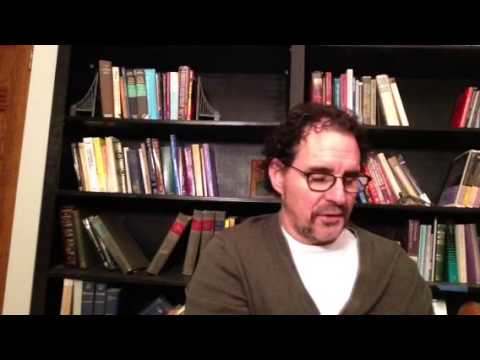
Are we God’s children by nature or adoption?
Greg addresses a reader question about our status as God’s children. Do we come by that by nature or by adoption? Scripture seems to give something of a mixed answer. What’s up with that?
Category: Q&A
Tags: Adoption, God's Character, God's Love, Nature
Topics: Death and Salvation, Following Jesus
Related Reading

Do We Have Intrinsic Worth? (podcast)
Spiritual economics. Greg considers the math of human worth. Episode 521 http://traffic.libsyn.com/askgregboyd/Episode_0521.mp3

Jesus and His Father
Greg addresses a question from a reader about the nature of the Godhead. If Jesus is the exact representation of the Father, what does this mean about the Trinity, if there are indeed three distinct persons?

Podcast: Does a Jesus-Centric Theology Reduce God?
Greg challenges the traditional starting point of many theologies and defends starting our theology about God’s nature and character with what has been revealed about Jesus. http://traffic.libsyn.com/askgregboyd/Episode_0325.mp3
A Calvinist and an Arminian walk into a bar…
Toby Bradbury via Compfight Roger Olson posted A Conversation between a Calvinist and an Arminian about God’s Sovereignty that we thought was dead on. In fact, we kind of wonder if Roger is bugging some of the conversations we’ve had. Déjà vu much? And since Roger has argued that Open Theism should be included under the broader umbrella of…
Knowing the Eternal God
If all our knowledge about God is to be oriented around the cross, as I argue in many places (see this post for instance), what does this mean for how we reflect on God’s transcendence? In other words, how can we speak of God’s eternal being since there obviously was no cross within God prior…

Supported by God
Here’s an exercise that has helped me experience God’s closeness and helped me feel “at home” regardless of my circumstances. It involves using the incredible gift of your physical body to help you remember God’s ever-present love and care for you. Think for a moment about the way God designed the world and the laws…