
We run our website the way we wished the whole internet worked: we provide high quality original content with no ads. We are funded solely by your direct support. Please consider supporting this project.

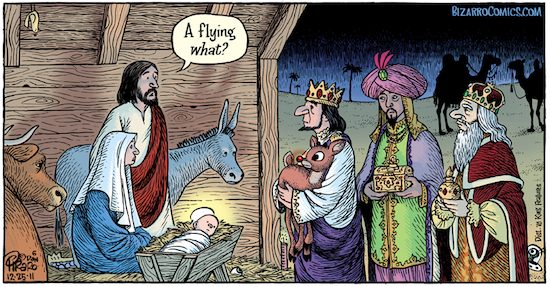
Lighten Up: And So It Began
Category: General, Lighten Up
Tags: Christmas, Jesus, Lighten Up
Related Reading

Podcast: Could Jesus Have Sinned? (part one)
Greg considers the nature of temptation and the temptability of God. http://traffic.libsyn.com/askgregboyd/Episode_0114.mp3

Myth Become History
The Gospel of John tells of the coming of Jesus in an unusual way. John writes: In the beginning the Word already existed. The Word was with God, and the Word was God. Everything came into existence through him. Not one thing that exists was made without him. He was the source of life, and…

Why Did Jesus Curse The Poor Fig Tree?
Why Did Jesus Curse The Fig Tree? One of the strangest episodes recorded in the Gospels is Jesus cursing a fig tree because he was hungry and it didn’t have any figs (Mk 11:12-14; Mt 21:18-19). It’s the only destructive miracle found in the New Testament. What’s particularly puzzling is that Mark tells us the…


The Kingdom of God (Part 2)
The Church is called to be nothing less than “the body of Christ,” a sort of corporate extension of Jesus’ incarnate body. We are called to replicate who Jesus was by manifesting who Jesus is. And this is how we expand the dome in which God is king—the Kingdom of God. By definition, therefore, the…