
We run our website the way we wished the whole internet worked: we provide high quality original content with no ads. We are funded solely by your direct support. Please consider supporting this project.
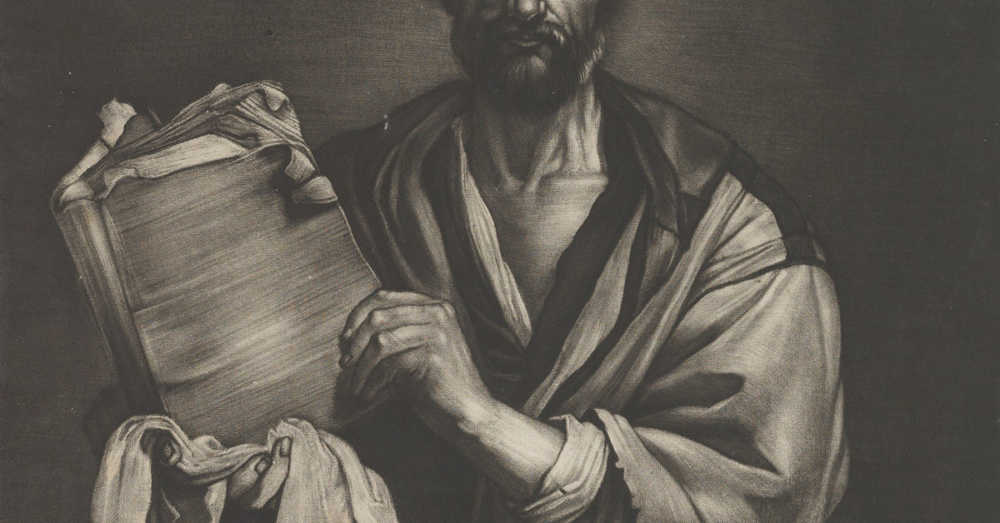
Podcast: What is the Greatest Philosophical Blunder in History?
Greg goes WAY back to trace an erroneous thought. His investigation brings all the way back to the pre-Socratics and the Ground-of-Being.
Send Questions To:
Dan: @thatdankent
Email: askgregboyd@gmail.com
Twitter: @reKnewOrg
Greg’s new book: Inspired Imperfection
Dan’s new book: Confident Humility
Subscribe:



Category: ReKnew Podcast
Tags: Attributes of God, Philosophy
Related Reading

Podcast: Should We Take Verses Where God is Forgetful, Fatigued, and Doesn’t Know the Past Literally?
Greg considers a challenge to open theisms about taking verses about God changing his mind literally. http://traffic.libsyn.com/askgregboyd/Episode_0314.mp3

Can Life Have Meaning Without God?
Article by Dan Kent King Sisyphus (“Siss-uh-fuss”) was a mythical king who enjoyed killing random travelers and starting wars. He killed for pleasure. He killed for profit. He killed for pride. When he died the gods showed him no mercy. The wicked king was condemned to spend eternity pushing a mighty rock up a hill.…
Free Will: An Aesthetic Model
Greg continues his thoughts on free will by offering an aesthetic model for free will. This one gets pretty philosophical, but it’s worth toughing it out.
Greg Uncovers Flaws in Aquinas, and It Could Change Everything
In this episode Greg shares some intriguing insights about Aquinas and Aquinas’ concept of God.

An Omni-Resourceful God
It is quite common for us to talk about the attributes of God as omnipotent (all-powerful), omniscient (all-knowing) and omni-present (present everywhere), but what about God’s unlimited resourcefulness? Consider the story of Moses’ commission in Exodus 3 and 4. Here the Lord instructs Moses to tell the elders of Israel that the Lord has heard…
Free Will: Is it a coherent concept?
Greg is going to be spending the next several blogs talking about the idea of free will. In this first reflection, he discusses whether it is coherent to speak of a decision that is not determined or exhaustively caused.